by Jonathan Tomlinson
Share
Share
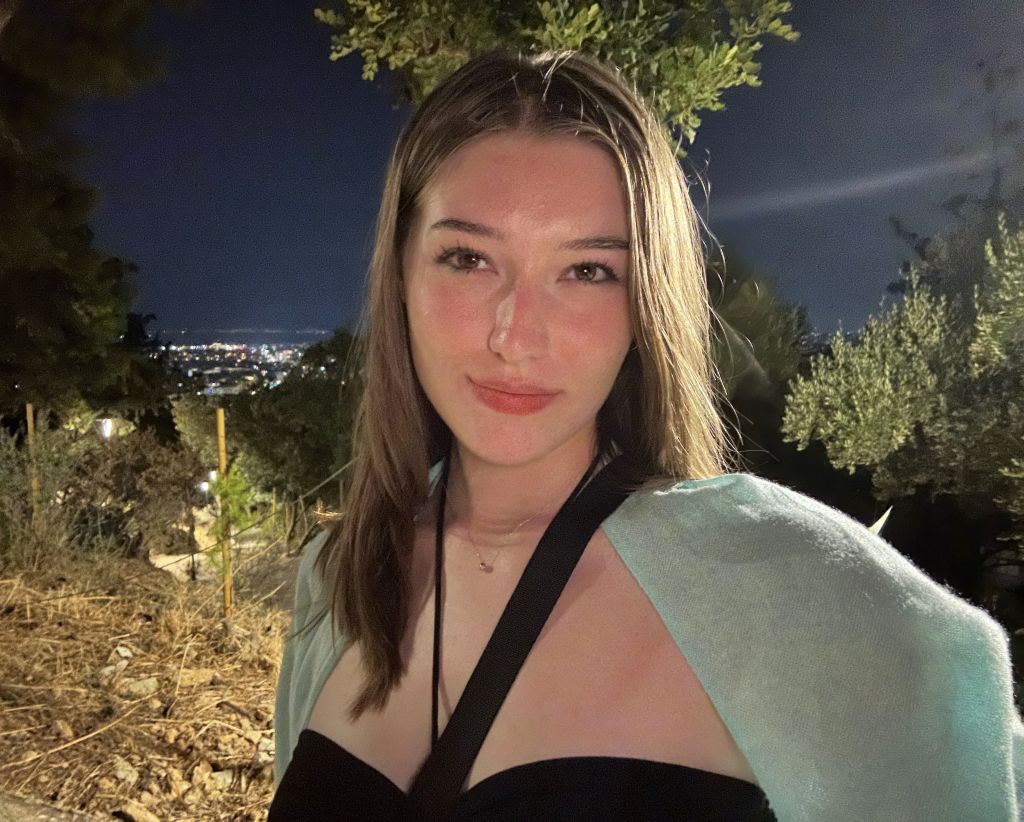
When I got the news that I would be spending my summer in Greece, I was ecstatic. Originally, I impulsively submitted an application to my university’s international program because I had become very engrossed in Greco-Roman classics and ancient philosophy during my first year of university. However, I thought my chances were slim when my program coordinator told me it was the university’s most competitive position, so imagine my surprise in December when I received an acceptance email.
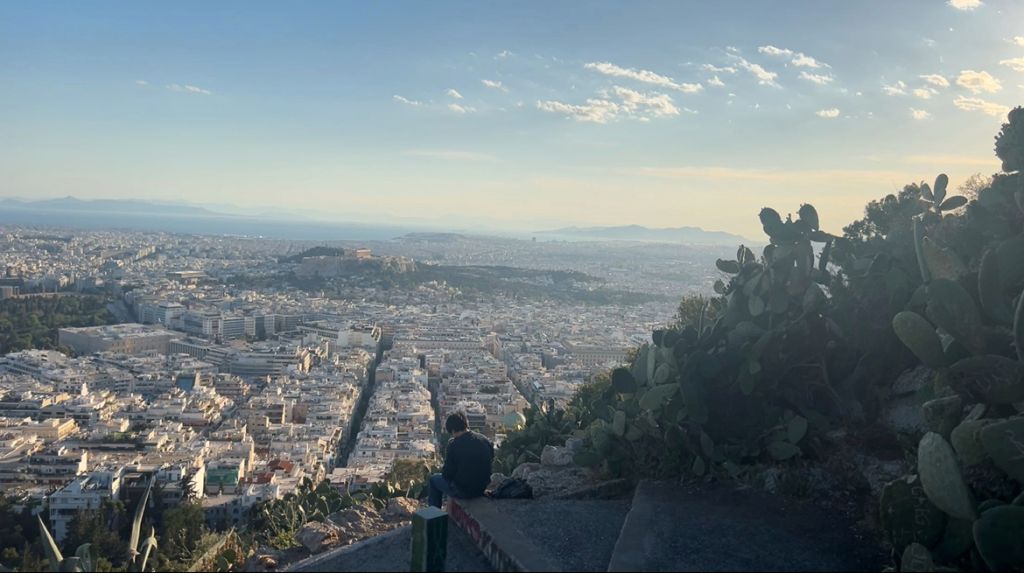
On Lycabettus Hill
Before my internship at the CIG, I had never even done my own laundry, let alone lived independently. Even as I watched my mom weep beside my stepfather and little sister while I walked through the security line—leaving for the next three months—I couldn’t believe it. I had gotten so used to plans falling through that, even as I landed at the Athens airport and walked out with my massive luggage, I thought I was hallucinating. Clearly, I wasn’t hallucinating, because as soon as I left the airport, reality—and the cold May wind—hit me. My first month took a lot of getting used to: living with flatmates, taking care of myself while working, and living in a country whose language I couldn’t speak were all quite difficult.
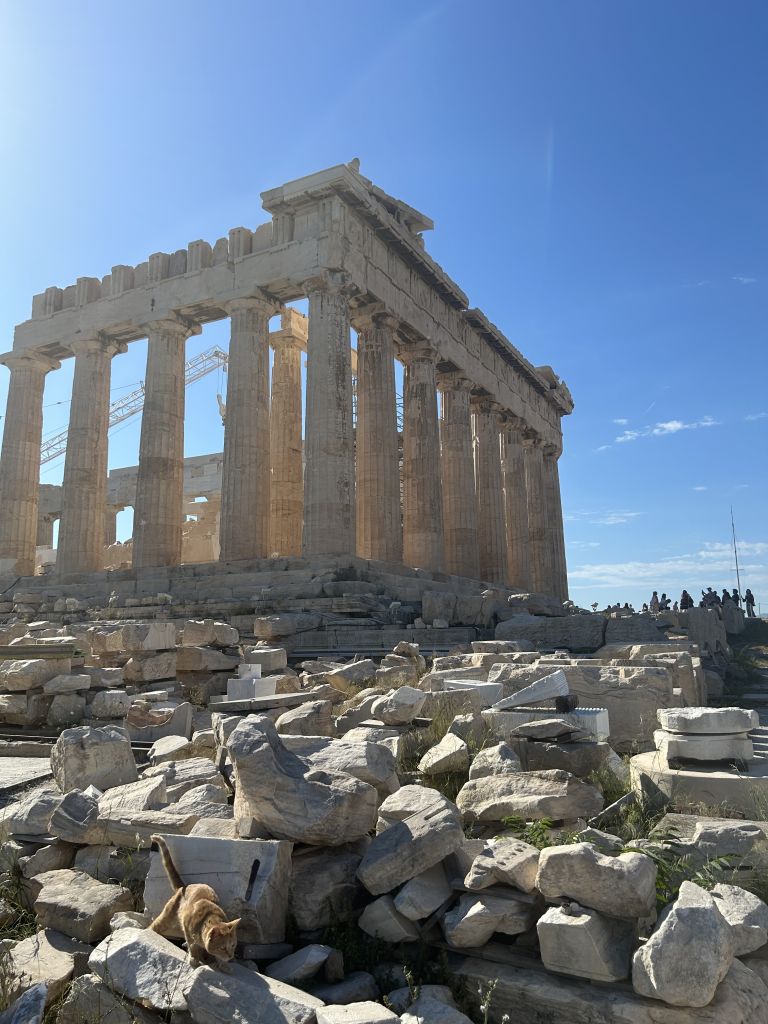
The Parthenon
Working at the CIG made acclimating to Greece easier by giving me a routine. Most weeks, I would explore Athens’ museums, art galleries, and archaeological sites during the weekend. Then, during the week, I would be in the intern office by 9 a.m., where I helped with chores, library work, setting up for events and lectures, and researching sites I had seen over the weekend to post about them on the CIG’s social media. It was during this time that I decided to help restructure responsibilities of the intern position by modernizing the manuals used to pass wisdom obtained by previous interns, as well as our approach to communication through social media. I especially enjoyed experimenting with different types of media and formatting to deduce what people statistically responded to best. Still, I found watching my art bring the CIG more attention the most rewarding.
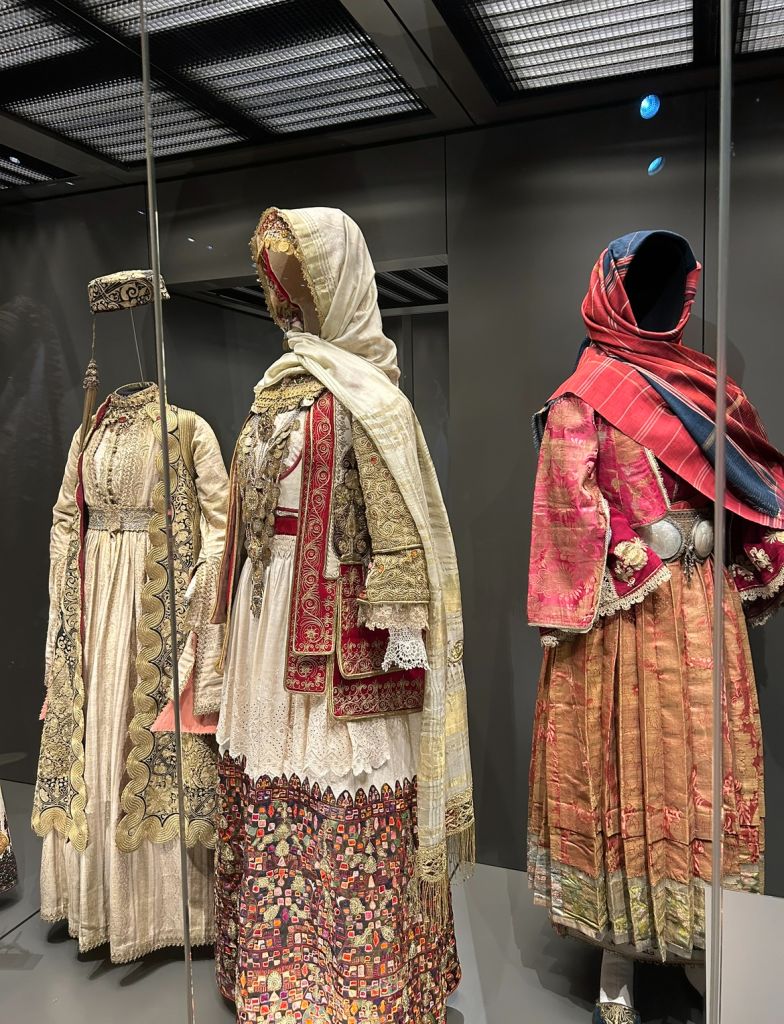
Traditional Greek wedding attire (Museum Of Modern Greek Culture)
As a student of political science, most of the archaeological information I now had to interact with was completely foreign to me aside from my basic understanding of classical art, philosophy, and literature. It was very interesting to learn about different aspects of the field, my favourite being the use of archaeology to trace how civilizations developed over time and how war and imperialism in Greece explain its formation as a modern state. I was equally curious and frequently inquired about why the archaeologists I met had decided to pursue their specialties, as well as the reality of living in Athens from locals, as my greatest motivation for coming to Greece had been to familiarize myself with people raised in a culture different from my own.
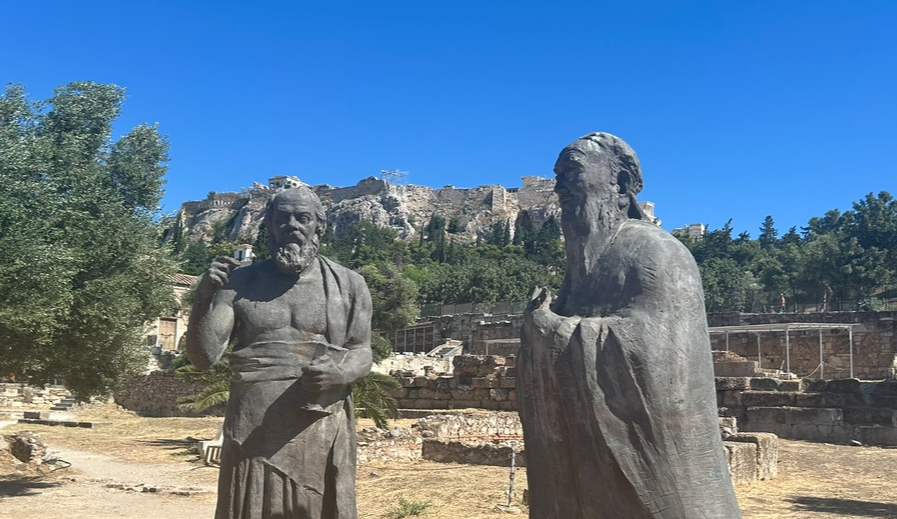
Socrates & Confucius (Agora)
The more I learned about Greek history beyond its ancient past as the Athenian city-state that bore elements of modern liberal democracy, the more curious I became about the rest of Europe, and by mid-May, I had planned another trip. This one was to Austria, another state previously ruled by an imperial power that was ousted after WWI and replaced by a—then—collapsing democracy. Though I would be lying if I said I visited Vienna only for its political significance, as I also have a great love of Mozart and Klimt—whose many works are displayed on my bedroom walls.
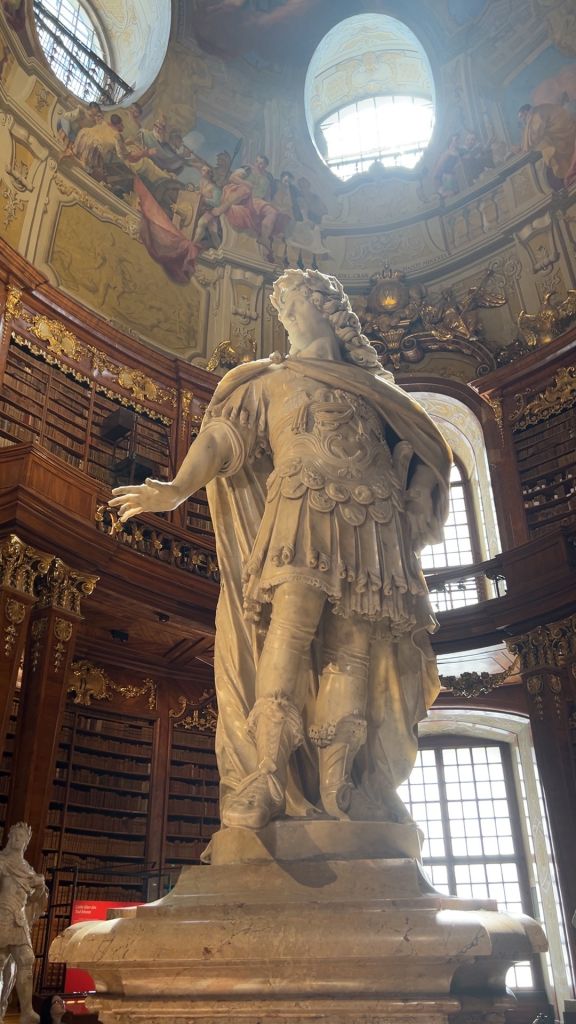
Emperor Charles VI (State Hall of the Austrian National Library)
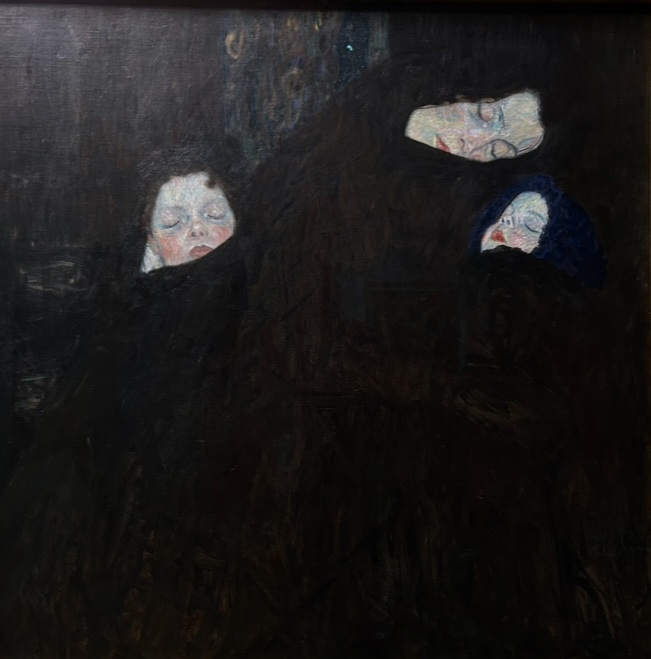
“Mother with Children” by Gustav Klimt
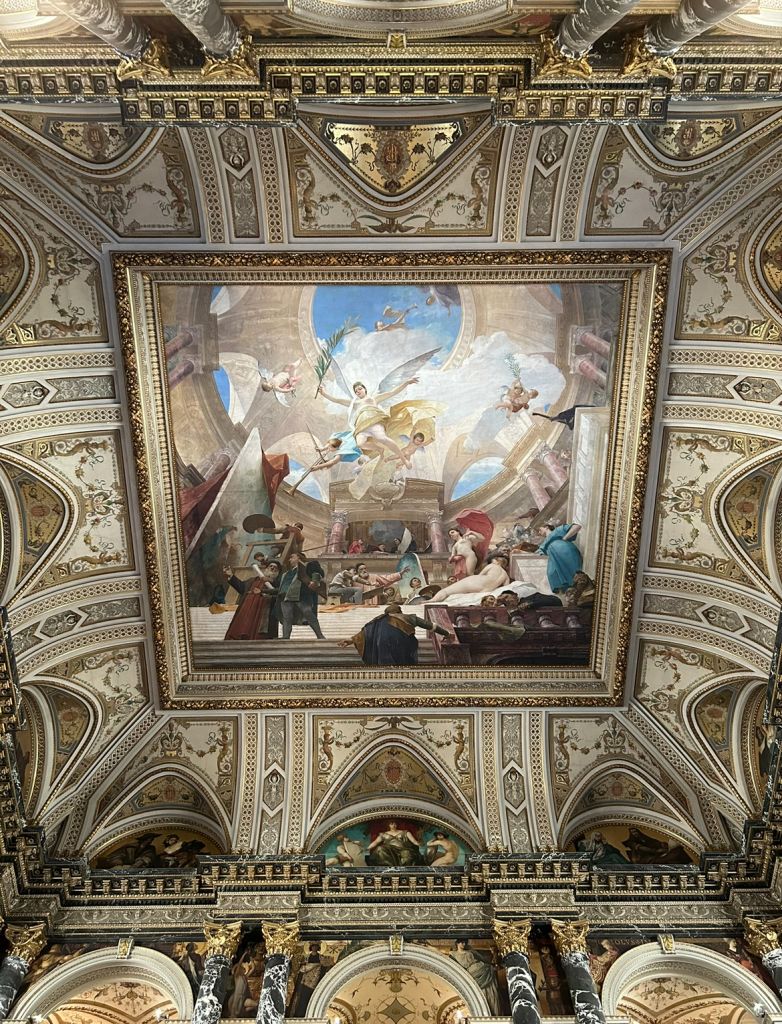
“Apotheosis of the Renaissance” by Mihály Munkácsy
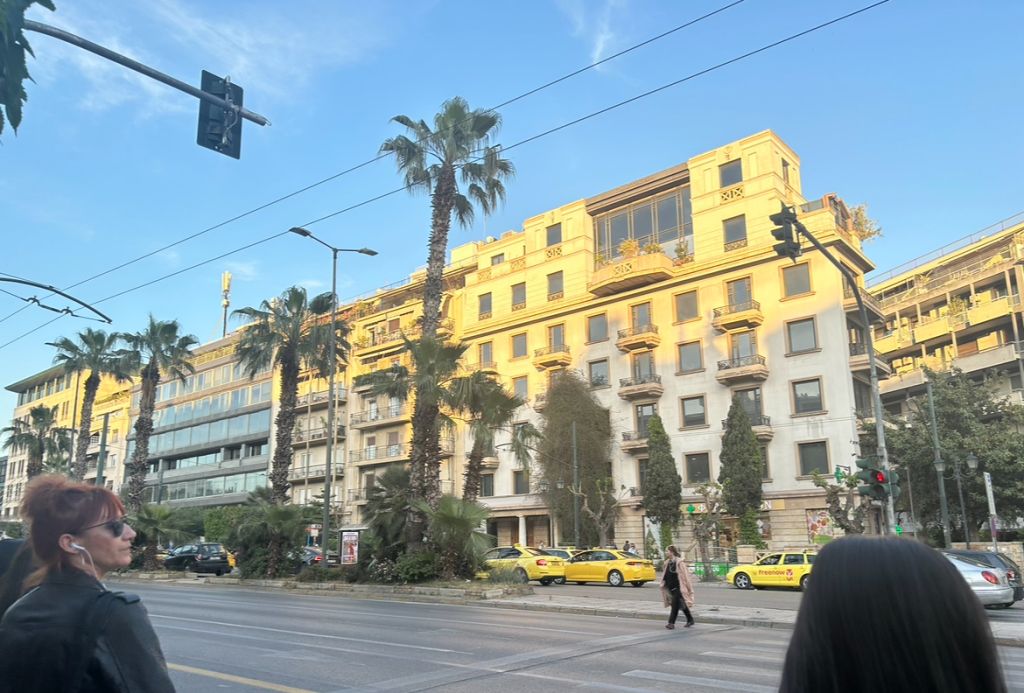
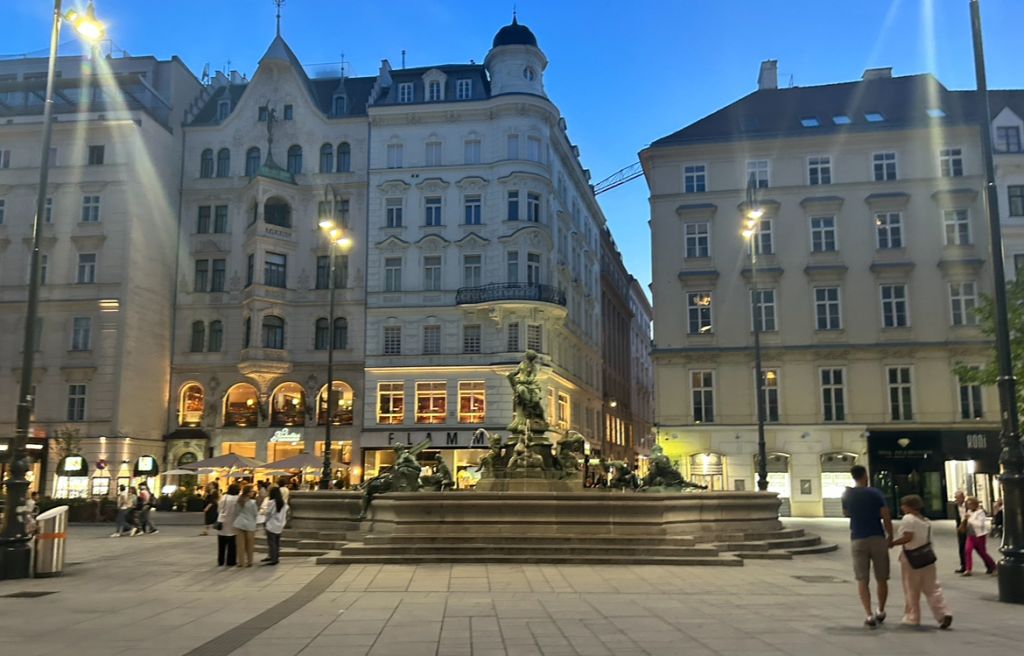
Travelling to Athens, Vienna, and Rome, and discovering lush greenery and insignificant buildings held up by pillars shaped into classical statues was a massive shock for me, especially as someone accustomed to the GTA, where every suburban house and skyscraper looks limp and lifeless. As for Europe as a whole, I was so satisfied by its walkability that I renounced public transit. As expected, this didn’t pan out well for my feet during my long-weekend trips, when I walked around 50 kilometres in each of the cities I visited—especially Rome, which I also mistakenly visited in mid-July.
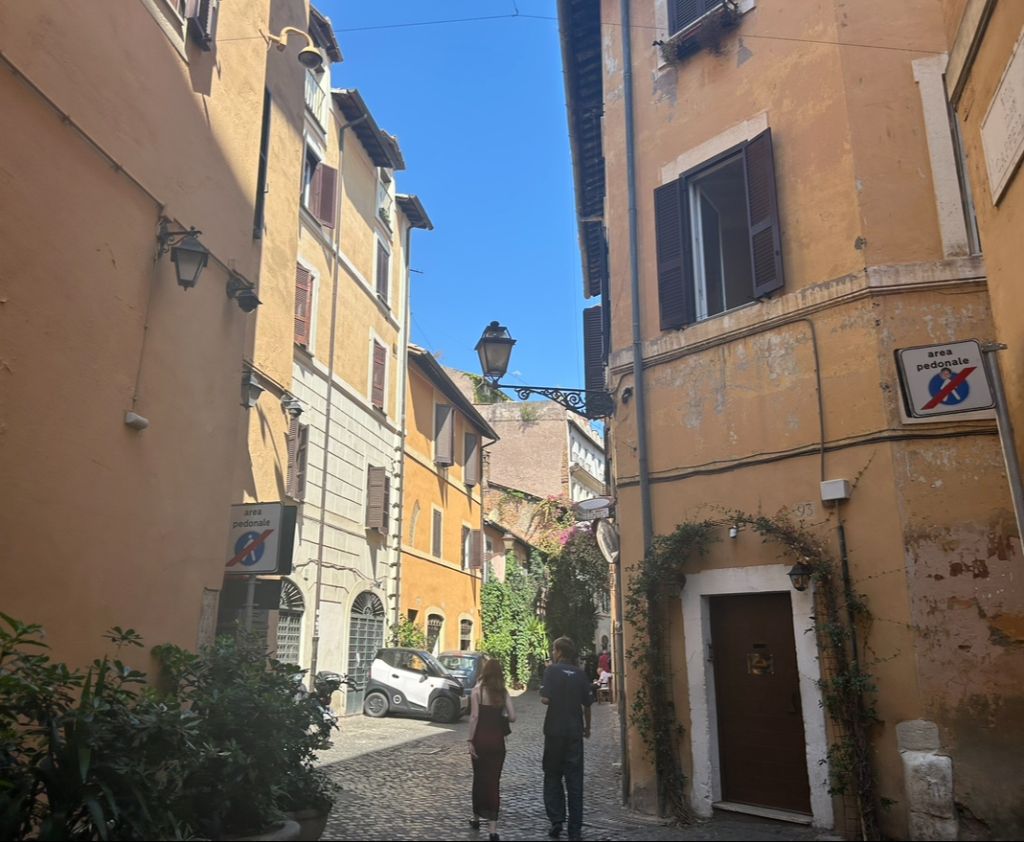
Rome was stunning: around—and within—every corner stood heaps of monuments, fountains, and statues. Although I was a melting sardine packed beside hundreds of other tourists, I don’t know whether any interior can measure up to the sublimity of the papal apartments and chapels in the Vatican or St. Peter’s Basilica.
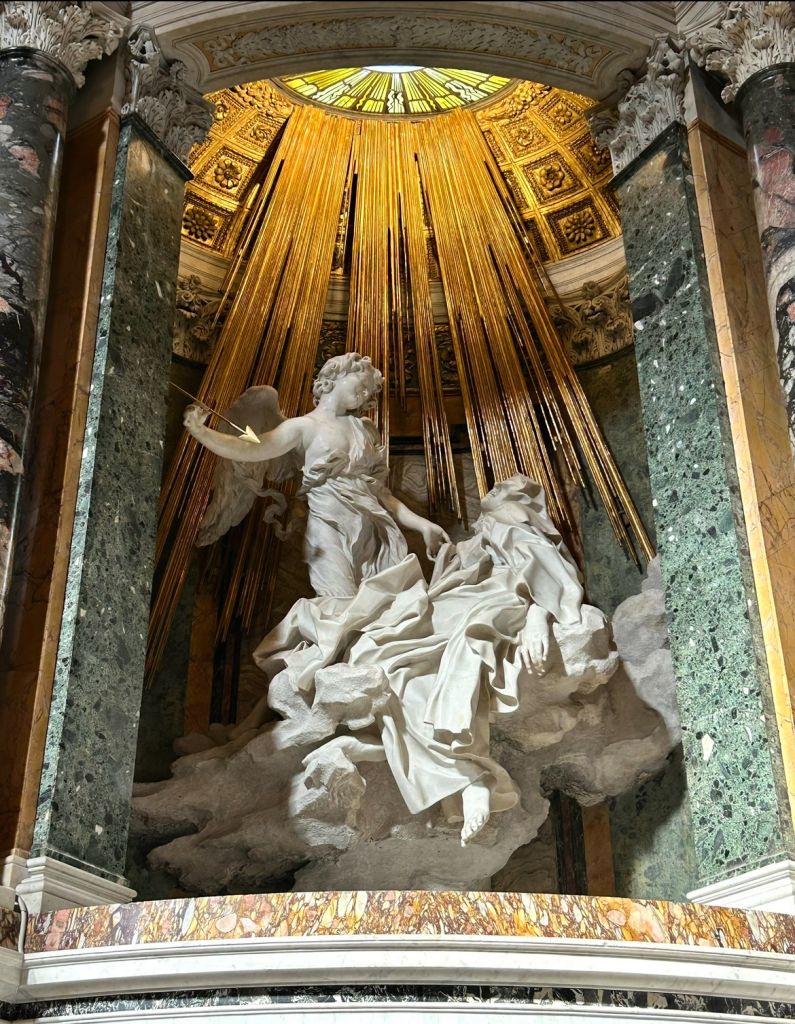
“Ecstasy of Saint Teresa” by Gian Lorenzo Bernini
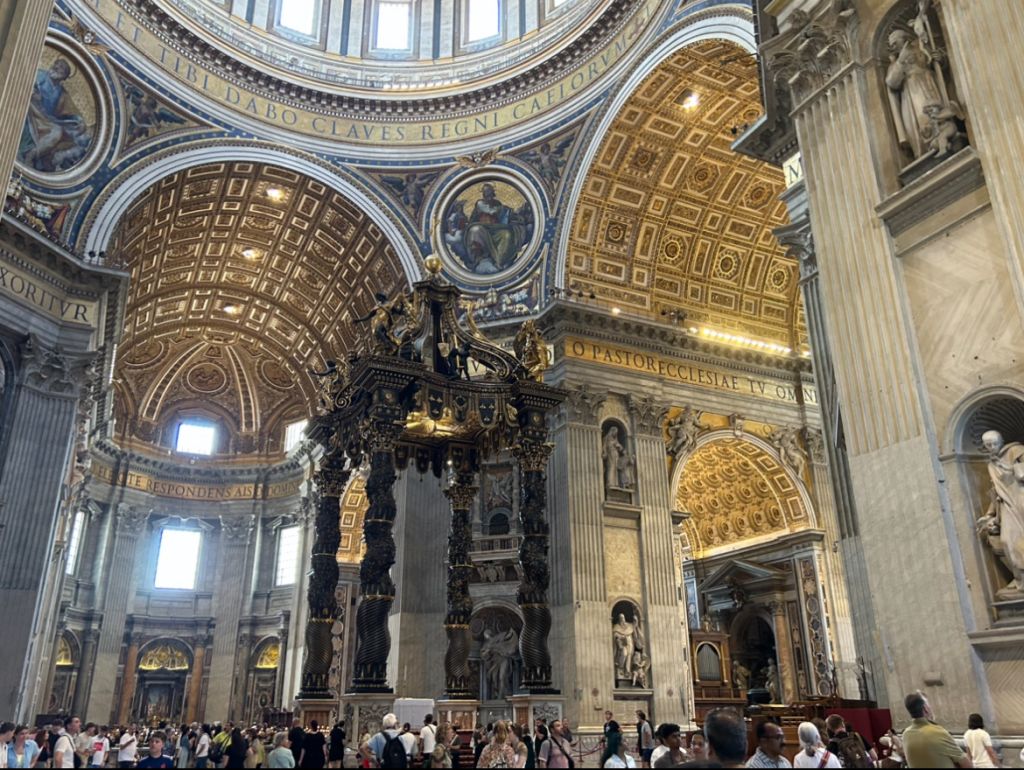
St. Peter’s Basilica
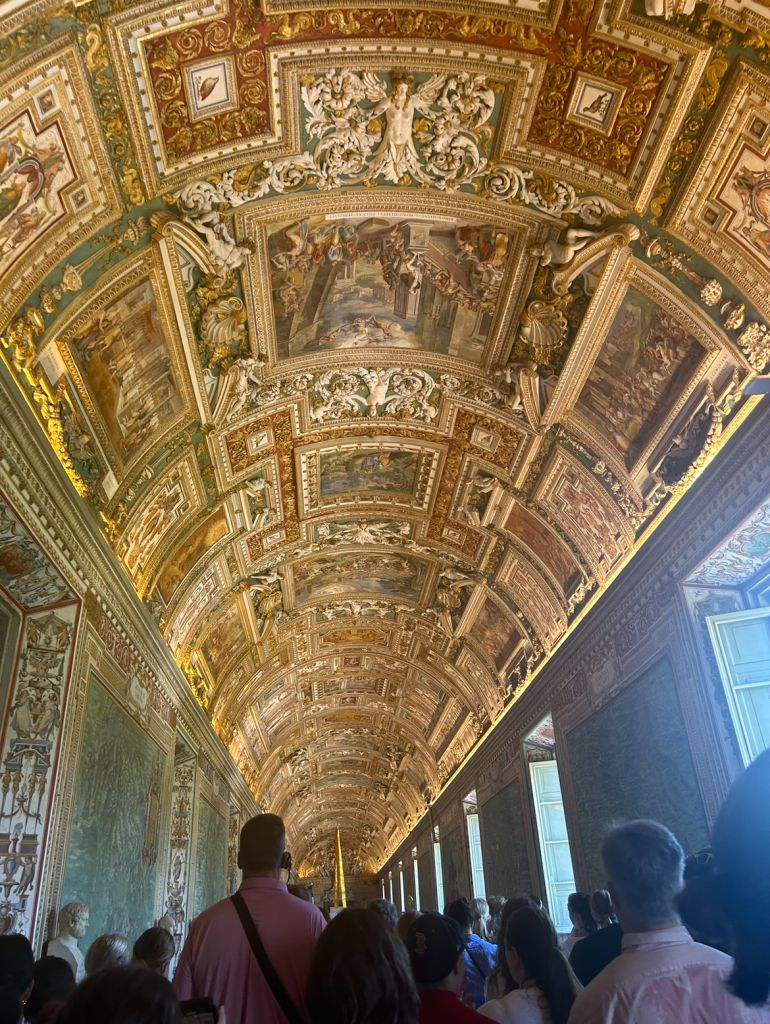
Gallery of Maps (Vatican Museums)
But culture isn’t much without history, and history isn’t much without the religions that shaped it. I have always written religion off as a generalized “Other” whose principles I can commend but whose instrumentalization I condemn. However, living in and visiting places where monarchs ruled by divine right, and religion both shaped and was shaped by the conquest and the integration of foreign religions, piqued my interest. This interest grew when I finally decided to read the only physical book I had brought with me: Dostoevsky’s “The Brothers Karamazov”, which I would highly recommend to anybody.
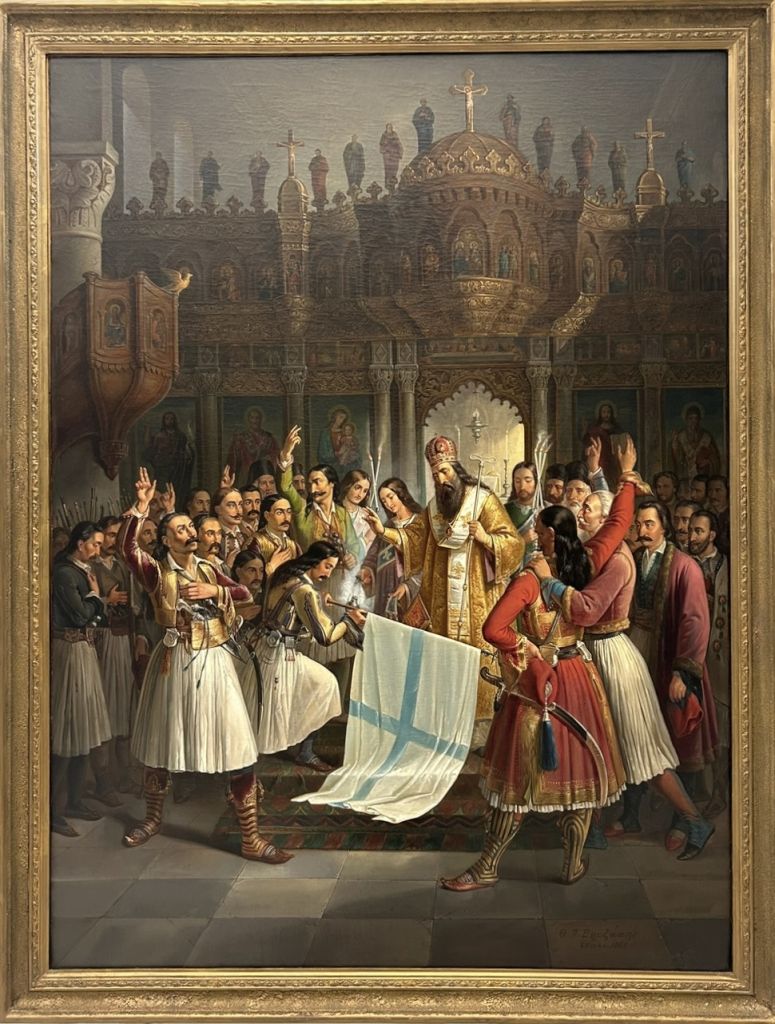
“The Bishop of Old Patras Germanos Blesses the Flag of the Revolution” by Theodoros Vryzakis
Ultimately, it is this interest that tied together my experience working at the CIG and living in Athens. Most of the time, I prefer to consume the world with only my eyes, but—as with the active love preached in Christianity—one must act within the world if one wants to make any impact upon it. For the first time in my independent life, I have shown myself that if I give myself to the world, I can change my circumstances, stoking my ambition to care for those within it.
Nicole Kulova, York University intern, summer 2026
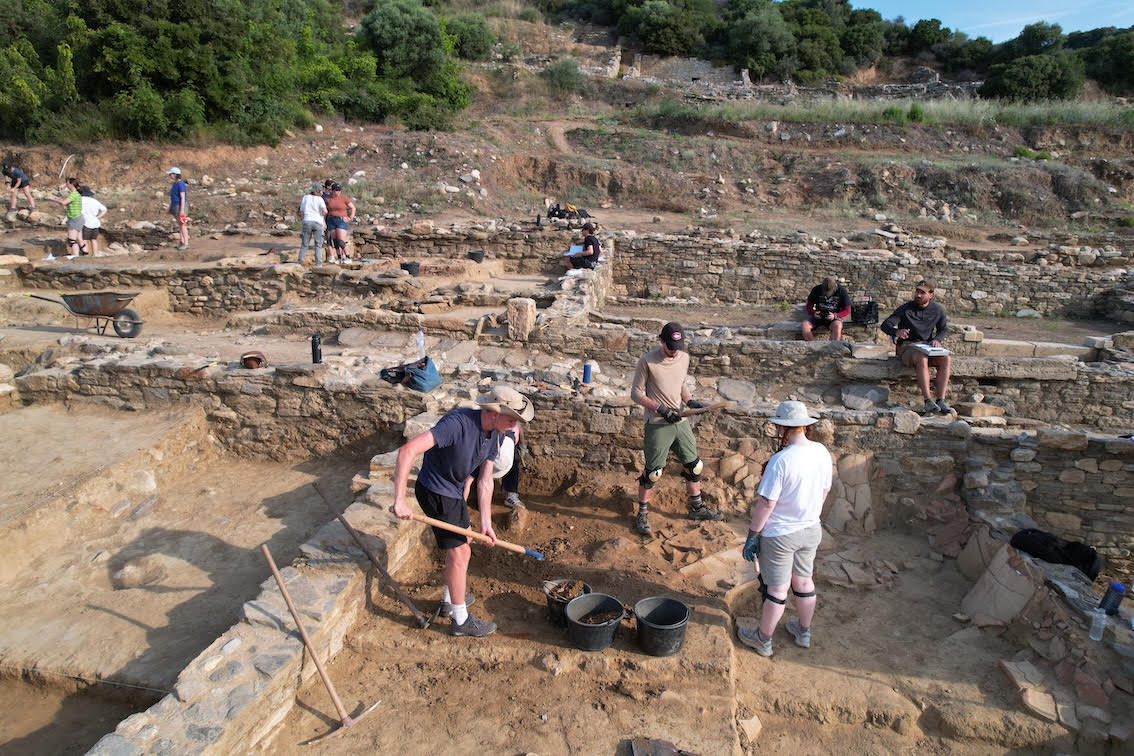
De retour sur le terrain! Cette année, plus de 80 étudiants et étudiantes universitaires et collégiaux, ainsi que des membres de notre équipe, se sont réunis pour une nouvelle saison exceptionnelle à Argilos, dans le nord de la
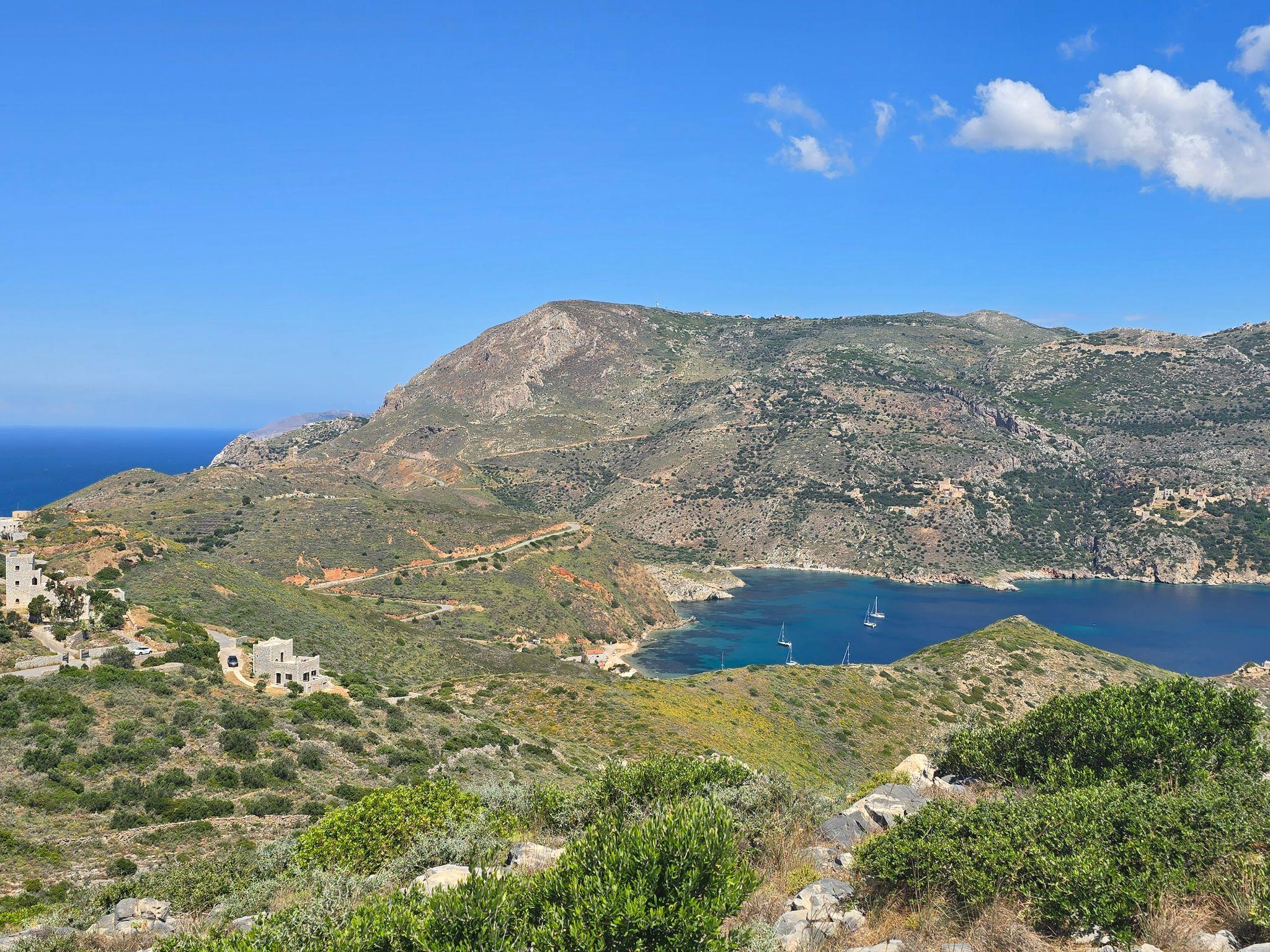
In May-June 2026, under the auspices of the Ephorate of Antiquities of Lakonia, with a permit through the Canadian Institute in Greece, the Southern Mani Archaeological Project (SMAP), directed by Drs. Chelsea Gardner (Acadia University) and William Parkinson